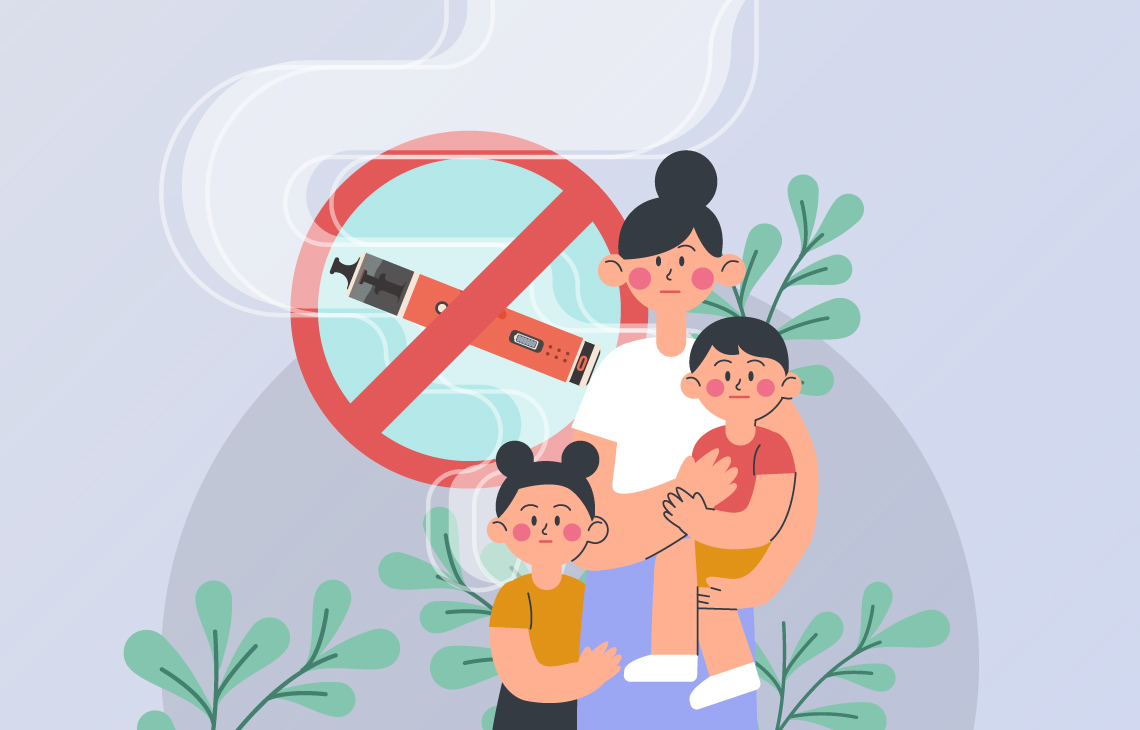



From policy to practice — strengthening systems to reduce tobacco and vaping harm.
The INHPF Tobacco Control Report Card 2026 synthesizes multi-context evidence and case studies developed during 2024–2025 to examine how Health Promotion Foundations are addressing tobacco and vaping harms through system-level action.
Drawing on evidence from diverse regional contexts, the report highlights how coordinated policy, service, and community responses can strengthen tobacco control systems and better protect public health — particularly for children, young people, and vulnerable populations.
👉 Explore the Report Card (PDF)
Tobacco and Vaping Control: Regional Insights, Global Relevance
Tobacco use and emerging nicotine products remain among the most significant and preventable drivers of noncommunicable diseases, including cancer, worldwide. While tobacco control measures have been implemented in many settings, evolving products, digital markets, and uneven enforcement continue to challenge existing systems.
Across different contexts, gaps persist in regulation, cessation access, public awareness, and sustained enforcement. These challenges highlight the need for comprehensive, system-level approaches that go beyond individual behaviour change.
Health Promotion Foundations play a critical role in responding to these challenges by strengthening tobacco control systems through legislation, services, prevention, and community engagement.
How Health Promotion Foundations Are Turning Policy into Practice
The Tobacco Control Report Card 2026 illustrates how INHPF members are translating policy into practice through integrated, system-level strategies, including:
System and Regulatory Approaches
Strengthening legislative and regulatory frameworks, improving enforcement capacity, and addressing emerging nicotine products to close critical gaps in tobacco and vaping control.
Accessible Cessation Support
Expanding no-cost and low-barrier cessation services, introducing digital referral pathways, and testing incentive-based models to support quit attempts among high-prevalence and underserved groups.
Community-Led Prevention and Protection
Engaging families, schools, community leaders, and youth to reinforce smoke-free norms, sustain enforcement, and protect communities — particularly in settings where formal capacity is limited.
Early-Life and Family-Based Interventions
Embedding prevention in early childhood and family environments to build health literacy, refusal skills, and long-term protection against tobacco and vaping uptake.
From Evidence to Impact: Key Learnings
Across contexts, the report card highlights that:
- Strong legislative and regulatory frameworks are essential for system-wide change.
- Tobacco control is most effective when enforcement, cessation, and prevention work together.
- Community engagement strengthens sustainability, especially where enforcement capacity is constrained.
- Early-life and family-based interventions are critical as experimentation begins at younger ages.
- Coordinated, multi-sector collaboration amplifies impact and accelerates progress.
While the case studies presented reflect specific regional contexts, the lessons and system-level insights highlighted in this report card are transferable and relevant for strengthening tobacco control efforts globally.
Explore and Download the Full Tobacco Control Report Card
The INHPF Tobacco Control Report Card 2026 showcases system-level strategies, lessons learned, and practical solutions to strengthen tobacco and vaping control across diverse contexts.